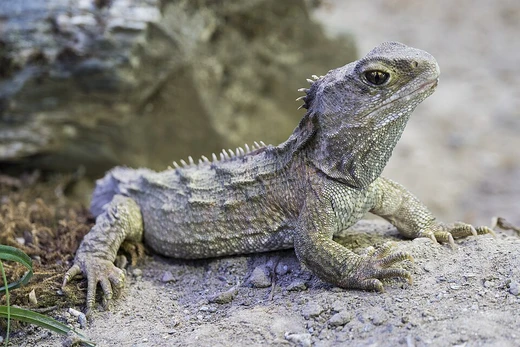
Hypsilophodon
Small, agile herbivore from the Early Cretaceous of England.

Hypsilophodon is a neornithischian dinosaur genus from the Early Cretaceous period of England. It has traditionally been considered an early member of the group Ornithopoda, but recent research has put this into question. Abundant fossil discoveries on the Isle of Wight have provided a good impression of its build.
- field
- Paleontology
- known_for
- Small, agile bipedal herbivorous dinosaur from the Early Cretaceous of England
- length
- 1.5–2 m (4.9–6.6 ft)
- weight
- 20 kg (44 lb)
- diet
- Herbivore
- era
- Early Cretaceous
Lore & Background
The generic name means 'Hypsilophus-tooth', referencing an extant herbivorous lizard, not the dinosaur's teeth. The specific name honors Fox.
Reader's Guide
Hypsilophodon is significant as one of the best-known small herbivorous dinosaurs from the Early Cretaceous, with abundant fossils from the Isle of Wight providing a detailed picture of its anatomy. It was a small, agile bipedal herbivore, measuring 1.5–2 m long and weighing 20 kg, with a pointed head and a sharp beak used to bite off plant material, much like modern parrots. Outdated studies gave rise to misconceptions that it was armoured, arboreal, or found outside the Isle of Wight, but later research corrected these ideas. The genus has been central to debates about ornithopod classification, and while traditionally placed in Ornithopoda, recent research has questioned that assignment. A second species, Hypsilophodon wielandi, was proposed in 1979 based on a femur from South Dakota, but it is now considered a dubious basal ornithopod, leaving H. foxii as the only valid species.
Did You Know?
- The generic name Hypsilophodon means 'Hypsilophus-tooth', after an extant herbivorous lizard, not because of high-ridged teeth.
- Some outdated studies incorrectly suggested Hypsilophodon was armoured, arboreal, or lived outside the Isle of Wight.
- A second species, Hypsilophodon wielandi, was named in 1979 from a femur found in South Dakota, but is now considered dubious.
More in Ancient Reptiles 25-40
Elsewhere in the Ancient Reptiles universe
Spotted an error? Know more?
This is a living reference — every entry is fact-audited, and reader corrections feed straight into our audit queue. Suggest an edit · See this site's audit record